





Henry, Alessandro Piva’s noir depiction of Rome
- Alessandro Piva, director of the cult Lacapagira, returns to cinemas with the noir Henry, which finally found a distributor in Iris Film
Alessandro Piva is a talented film, radio and theatre director, with an anthropological vein and sardonic detachment controlled by the steady hand of a skilled artisan. His debut, Lacapagira was seen as a revelation in the 2000 edition of the Berlinale, and won him the David di Donatello and the Nastro d'Argento Award for Best New Director, before becoming a cult film.
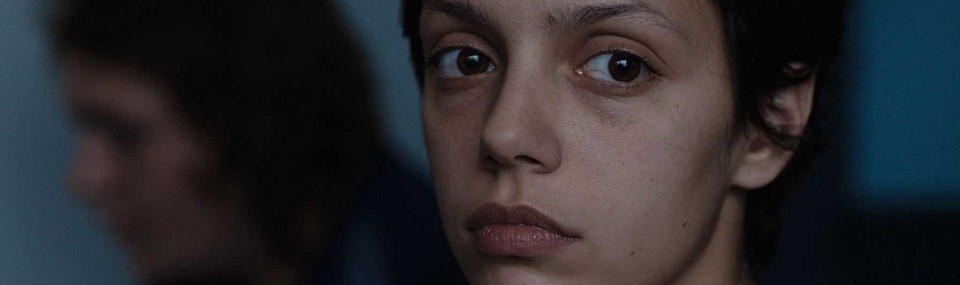
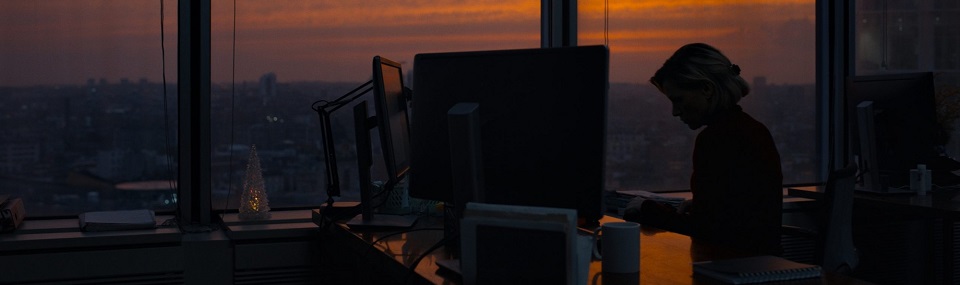
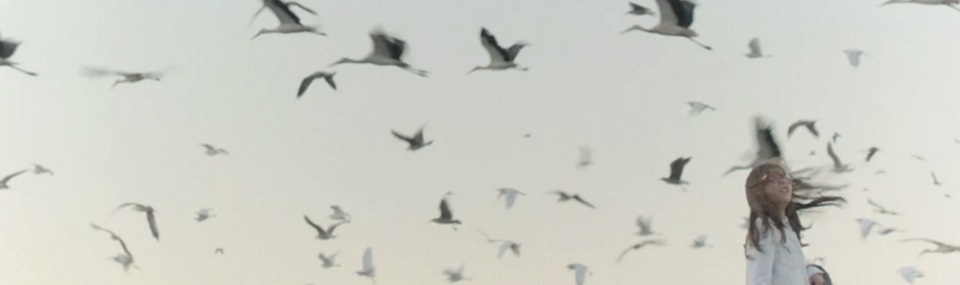
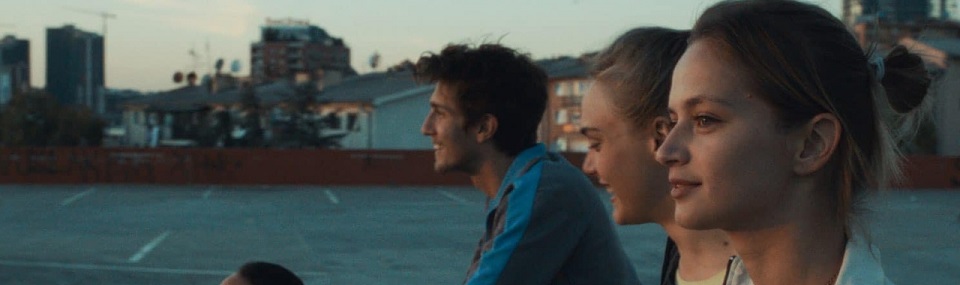
Following a second film in 2004, Mio cognate, and a brief incursion in documentary with the brilliant Pasta Nera, well received at the Venice Film Festival 2011, Piva returns this weekend with his third fiction feature film, produced by the man himself. It’s a story of drugs and blood set in Rome, entitled Henry [+see also:
trailer
film profile], starring Carolina Crescentini, Michele Riondino, Claudio Gioè, Pietro De Silva and Paolo Sassanelli (see the article). A transposition of the homonymous novel by Giovanni Mastrangelo (author of the "Little Buddha" which inspired Bernardo Bertolucci’s film), the film won the audience’s award for Best Film at the 28th Turin Film Festival, but struggled to find a distributor. Thanks to Christian Lelli of Iris Film, a very new distribution company which favours genre films, Henry will reach all the major Italian cities in 10 copies. "Films such as Henry are not any less valuable than those in 500 copies", says Christian Lelli, who distributed another Italian noir, Emiliano Corapi Sulla strada di casa, "it’s wrong thinking on the part of the big distributors who are aiming at guaranteed revenues. We’re at the other end of the scale, despite the cost of investments which often don’t get big enough takings to cover the investment. But passion is stronger than money".
The director says of the film: "I liked the idea of portraying the outer fringes of the human soul in the centre of the Italian capital. I wanted to break the postcard image we know of and allow its shadows to emerge. Mastrangelo made me read his book and told me that he recognized the influence of my films on his writing. It seemed to me a good opportunity to portray a Rome which makes us feel alone despite the fact that we all live together".
(Translated from Italian)
Did you enjoy reading this article? Please subscribe to our newsletter to receive more stories like this directly in your inbox.